

Safeguarding the landscapes foundational for Africa's success
The Africa Keystone Protected Area Partnership brings together African governments, protected-area authorities, communities, conservation organizations and funders to strengthen the long-term protection and effective management of 162 of Africa’s most foundational landscapes by 2035.
2022
African leaders issued the Kigali Call to Action for People and Nature, affirming the importance of protected and conserved areas.
2023
Eleven Heads of State followed with the Miombo Forest Initiative, pledging to protect one of the world’s great ecological treasures.
2025
The African Union and five African Heads of State launched the Keystone Partnership, which was then included in the first African Union Biodiversity Declaration, adopted by all member states.
Today
In response the this call to action from Africa’s leaders, we welcome you to join this transformational effort to conserve critical landscapes.
-
Growing cities, rising incomes, changing diets and expanding infrastructure will transform demand for land, food, water and energy. That development is essential.
The opportunity is to guide it around natural systems that cannot be replaced and are foundational to successful growth.
Africa’s protected landscapes include water towers, forests, wetlands, peatlands, wildlife corridors and places of profound cultural importance. Managed well, they are not barriers to growth. They are part of the natural infrastructure that makes resilient growth possible.
The choices made now will shape Africa’s landscapes—and the choices available to future generations—for decades to come.
Watch the overview

LANDSCAPES
Keystone Protected Areas: Pillars of Africa’s Ecological and Community Wellbeing.
Keystone Protected Areas are large, important landscapes identified through analysis of biodiversity, size, irreplaceability, connectivity, ecological integrity and resilience, refined by field expertise.
The 162 Keystones represent only about 2% of Africa’s protected areas by number, yet together they cover roughly 34% of Africa’s protected land and contain 71% of the continent’s threatened vertebrate species.
Like the keystone in an arch, their value extends beyond their own boundaries. Well-managed Keystones can anchor wider landscapes—supporting wildlife, water, livelihoods, local economies and conservation capacity far beyond the protected area itself.

Keystone Protected Area
Other Protected Areas
Over 70% of Africa’s endangered species reside in these lands.

5.8 billion tons of carbon are stored in the Keystone Protected Areas.

Over 70 million people live in surrounding nature-based economic zones.

Nearly 250 million Africans depend on them for water.

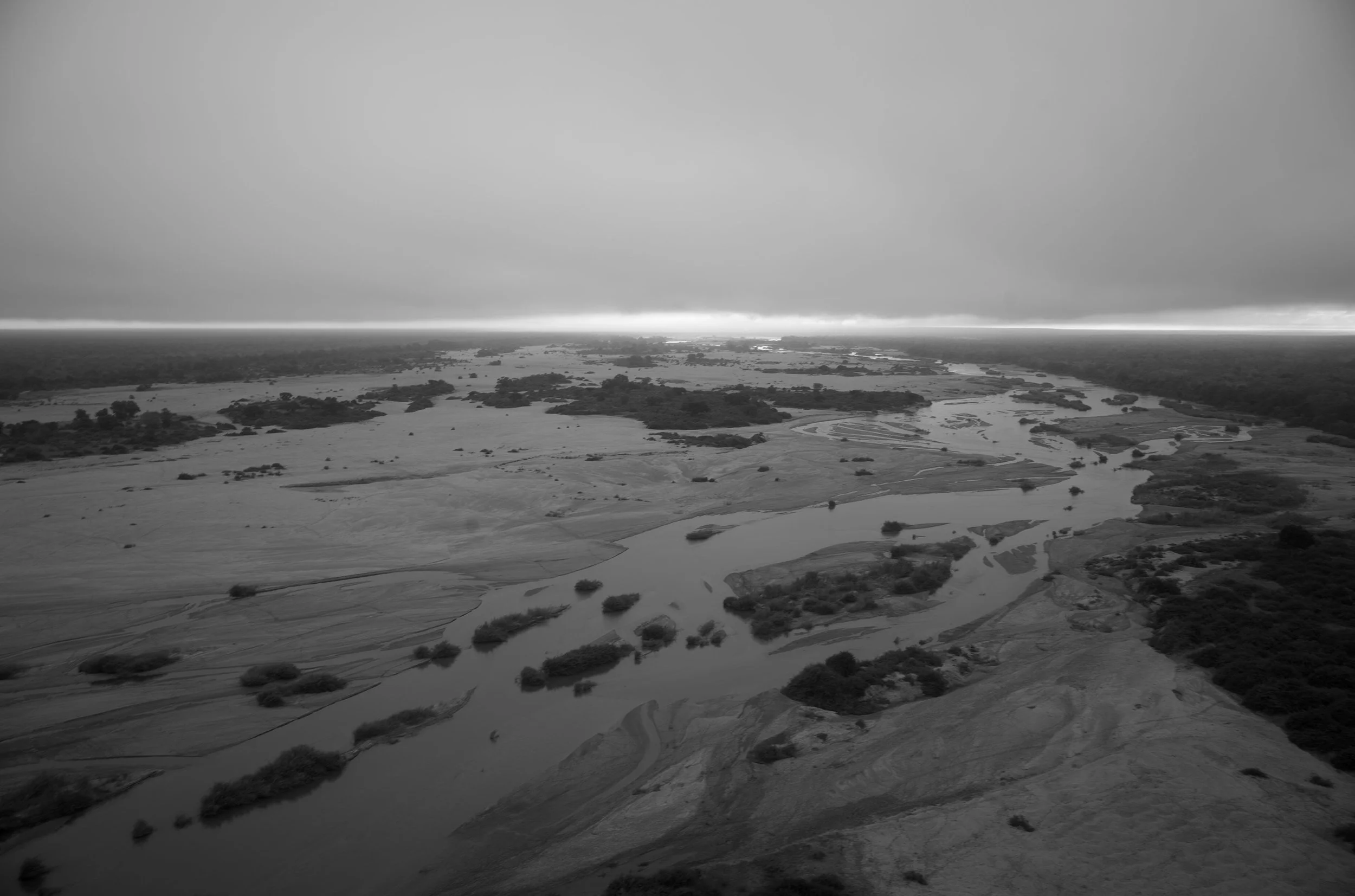
Safeguarding 162 Keystone Protected Areas requires mobilization of $1.2B per year and deep investments in capacity building
Scale durable conservation finance mechanisms

Effective conservation requires financing that lasts beyond individual projects or grant cycles. The Partnership is working to connect philanthropy with public funding and other mechanisms—including conservation trust funds, blended finance, ecosystem service funding, and carefully designed debt conversions—to build durable financing for landscape management.
Invest in capacity of communities, organizations and institutions

There is no single operating model for 162 different landscapes. Governments can draw on a range of management partnerships—including the African public-private innovation of Collaborative Management Partnerships, to bring in complementary strengths in science, protected-area management, community engagement, institutional development and finance.
Support leadership of African governments

National governments and protected-area authorities determine priorities, legal frameworks and management choices. The Partnership works behind that leadership—helping mobilize expertise, capacity and finance.
How we get there
The Keystone Partnership sets a new benchmark for conservation—one where African institutions, governments, communities, NGOs, and funders work together ensuring African voices shape the future of conservation.
Path to safeguarding 162 Keystone Protected Areas
DEFINE THE NEED
Read the white paper


African leaders launched the Keystone Partnership and set the priorities
CREATE A BIG TENT
We are here!


Rally stakeholders across African governments and communities, operator NGOs and funders
STRUCTURE OUR COLLABORATION


Determine how to achieve shared goals across operators, funding types and government priorities
EXECUTE OUR SHARED VISION


Build operator capacity, secure funding and work closely with governments and communities
African Union

Benin
Angola

Botswana
Democratic Republic of Congo

Gabon
Lesotho

Mozambique
Namibia

Republic of the Congo
South Africa
Zambia
Zimbabwe

Liberia

Nigeria
Uganda
South Sudan

Rwanda
Senegal

Ethiopia
Cameroon
PARTNER COLLABORATORS


FOUNDING PARTNERS



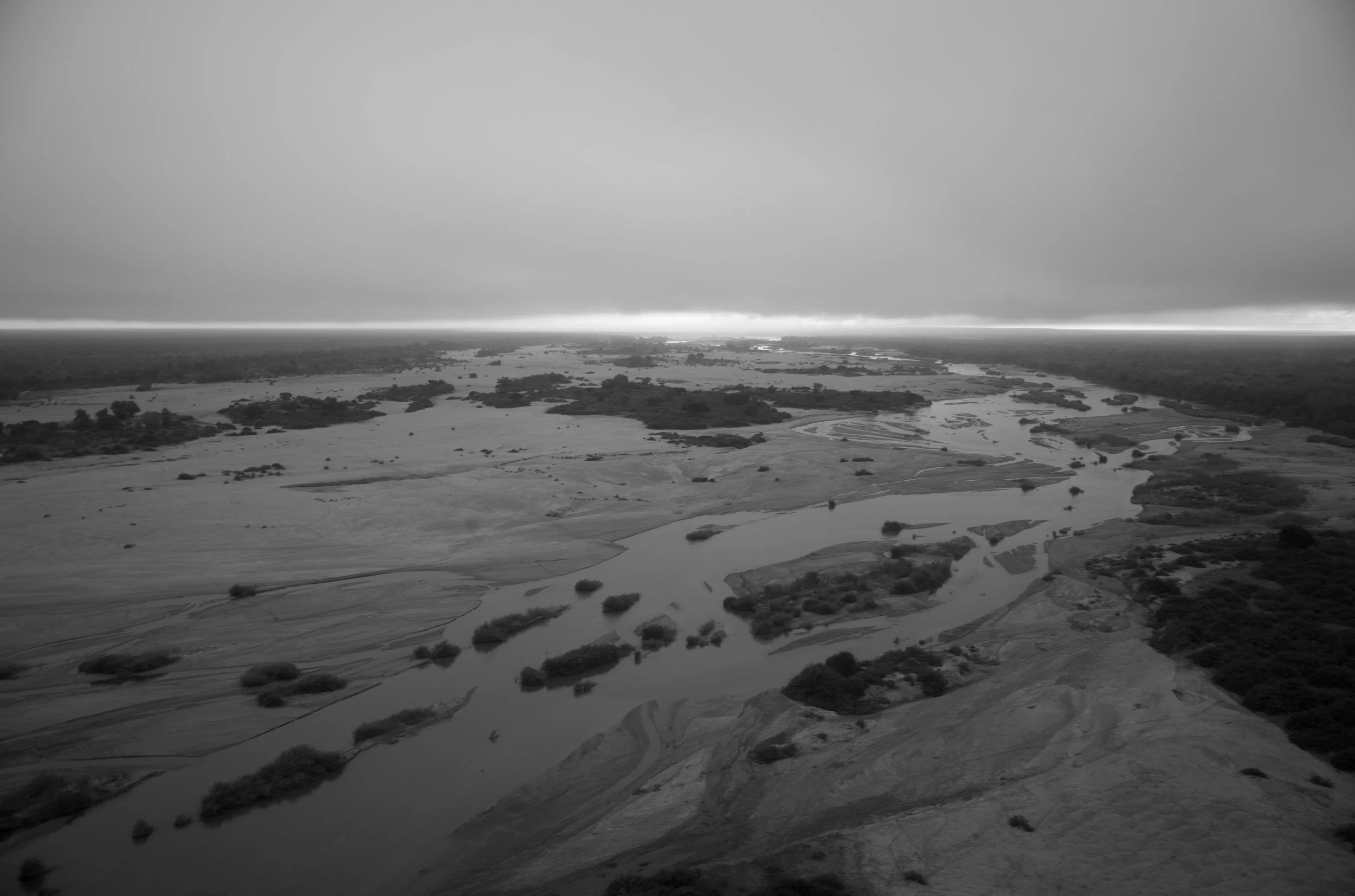
Protecting the landscapes that keep Africa’s future open.
Healthy landscapes mean flowing rivers, resilient food systems, extraordinary biodiversity, cultural continuity, secure communities, livelihoods and opportunity.
The Keystone Partnership exists to help ensure that as Africa grows and changes, its leaders and communities retain real choices about the future.
African leadership. Shared responsibility. Lasting landscapes.